
From Domains to Onchain Assets: The Future of Digital Ownership
GoDIDGo.com
2/21/20268 min read
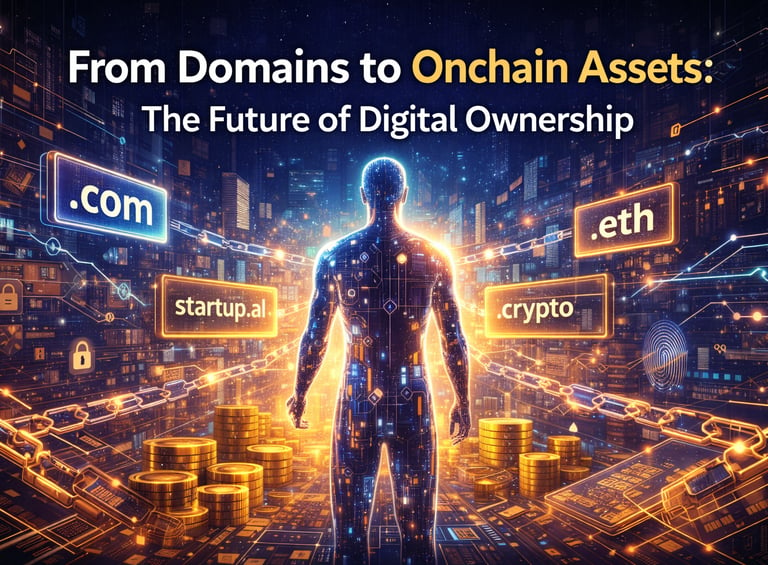
The Evolution of Digital Ownership
The concept of digital ownership has undergone significant transformation over the years, transitioning from simple domain names to sophisticated onchain assets. Initially, digital ownership was largely associated with registered domain names, which allowed individuals and businesses to establish their presence on the internet. The advent of the World Wide Web in the early 1990s marked a pivotal moment, as it opened new avenues for communication, commerce, and information sharing.
With the rise of the internet, the notion of ownership began to expand. As more individuals and organizations sought to establish credibility online, domain names became increasingly valuable. However, as the digital landscape evolved, so did the assets that could be owned. The emergence of cryptocurrencies in the early 2000s introduced a new paradigm of digital ownership. These decentralized digital currencies enabled peer-to-peer transactions without intermediaries, exemplifying a shift towards a more user-controlled form of ownership.
The introduction of blockchain technology further revolutionized the idea of ownership in the digital realm. Blockchain provided a secure and transparent method for recording transactions, allowing for the creation of unique onchain assets such as non-fungible tokens (NFTs). These assets represent ownership of digital items, ranging from art and music to virtual real estate, thereby expanding the definition of what constitutes ownership in the digital world.
Today, digital ownership is critical for startups and investors alike. As industries increasingly recognize the importance of digital presence and assets, the ability to own and monetize digital content has grown in significance. This evolution illustrates the shifting paradigms of ownership and its implications for the future of digital interactions.
In the current digital economy, the concept of digital real estate has gained significant attention, particularly regarding domain names as crucial investments. Just as physical real estate has always held value, the same can be said for online domains, which serve as the virtual addresses for businesses and individuals. A well-chosen domain name can greatly influence a company's branding, investor perception, and overall credibility in a crowded marketplace.
When startups and investors consider domain names as investments, they are essentially recognizing the potential of these assets to enhance visibility and accessibility. For instance, a memorable, keyword-rich domain can improve search engine optimization (SEO), thereby increasing organic traffic. This aspect is particularly important in today's digital-first environment, where potential customers often encounter businesses through online searches. A strong domain can thus serve as a foundational element of a company's digital strategy.
Investors have noted a correlation between premium domain names and growth metrics. For example, the widely recognized success of brands like Squarespace and Shopify can partially be attributed to their strategic choice of domain names, which not only reflect their services but also resonate with their target audience. Moreover, as businesses continue to shift towards e-commerce and online presence, the demand for high-quality domain names is set to rise, further solidifying their status as valuable digital assets.
The landscape of digital real estate is evolving, with reports indicating skyrocketing values for sought-after domains. This paradigm shift signifies that digital real estate, particularly domain names, is not just a trend but a vital component of a robust online presence. As startups and investors acknowledge the importance of these digital assets, the future of digital ownership increasingly illuminates the significance of domains in shaping brand identity and ensuring long-term growth.
The Role of Onchain Assets in Modern Business
Onchain assets, encompassing non-fungible tokens (NFTs) and tokenized assets, are redefining the landscape of digital ownership within modern business frameworks. These assets represent a paradigm shift in how value is assigned, transferred, and verified on digital platforms. By leveraging blockchain technology, businesses can ensure transparency and traceability, enhancing the overall credibility of ownership claims.
The significance of onchain assets in the digital economy cannot be overstated. For instance, NFTs allow for unique digital items to be owned and traded in ways previously unimaginable, fostering new revenue streams for creators and brands alike. This functionality has opened avenues for digital art, music, and gaming industries, empowering artists to monetize their work more effectively while providing collectors with verifiable ownership. Moreover, tokenized assets enable fractional ownership of physical goods, such as real estate, by representing shares on the blockchain, thus democratizing investment opportunities.
From a branding perspective, onchain assets can forge stronger connections between businesses and consumers. By utilizing NFTs for loyalty programs or exclusive content, companies can cultivate a sense of community and trust among their audience. Furthermore, the immutable nature of blockchain enhances trust; as transactions are publicly recorded, customers can verify authenticity, reassuring them about the value and origins of the products they purchase.
As more companies recognize the strategic advantages offered by onchain assets, business models are evolving to incorporate these innovative tools. The integration of onchain assets into corporate strategies can provide a substantial competitive edge, allowing firms to adapt to a rapidly changing market environment. Companies that actively engage with this trend are likely to lead in the digital transformation of their industry, emphasizing the growing importance of onchain assets in modern business practices.
Branding in the Digital Age: Trust and Memorability
In today's digital landscape, branding is more crucial than ever for businesses aiming to establish a foothold in their respective markets. The rise of digital assets, particularly in the context of onchain ownership, has transformed how brands interact with consumers. Effective branding not only enhances memorability but also fosters trust, critical components that influence consumer behavior and loyalty.
A robust digital brand allows businesses to communicate their core values and vision clearly and consistently. This is especially important as consumers are increasingly looking for transparency and authenticity in their interactions with brands. Startups can leverage their digital assets, such as domain names, social media handles, and even digital currencies, to create a cohesive brand identity that resonates with their target audience. These assets serve as the foundation of a digital presence that can enhance trust among consumers.
Furthermore, a memorable brand is one that effectively distinguishes itself from competitors. In a crowded market, where multiple entities may offer similar products or services, unique branding becomes essential. This uniqueness can be achieved through visual elements, tone of voice, or even the narrative that surrounds the brand. For startups, developing a strong digital brand narrative can significantly impact their recognition and consumer engagement.
To cultivate a trusted and memorable brand, startups should focus on aligning their digital strategies with their overall business objectives. This alignment ensures that all branding efforts, whether they involve social media campaigns, content marketing, or community engagement, are coherent and reflect the core ethos of the brand. As digital ownership continues to evolve, the importance of a strong brand presence cannot be overstated, as it not only attracts consumers but also helps in retaining them over time.
Search Engine Optimization (SEO) and Growth Metrics
In the modern digital landscape, Search Engine Optimization (SEO) has emerged as a cornerstone for maximizing online visibility and driving traffic. For businesses that operate with digital assets like domain names and onchain assets, adopting effective SEO practices is paramount. These practices not only enhance the visibility of a brand but also improve user engagement and conversion rates.
One of the key elements of successful SEO is keyword optimization. This entails researching and utilizing relevant keywords that potential customers might use in their searches. For digital assets, it is essential to integrate these keywords naturally into website content, meta descriptions, and image alt texts. Additionally, implementing a clear and intuitive site structure aids search engines in indexing the site more effectively, leading to better rankings.
Furthermore, content quality significantly impacts SEO effectiveness. Producing high-quality, informative content that addresses the needs of the target audience can lead to improved dwell times and lower bounce rates. Utilizing multimedia elements such as images, videos, and infographics can further enhance the attractiveness of the content, making it shareable and link-worthy.
The relationship between SEO and business growth metrics cannot be overstated. A well-optimized website attracts more organic traffic, which is often more valuable than paid traffic. Increased traffic, in turn, can lead to higher conversion rates and increased revenue. Metrics such as customer acquisition cost, lifetime value, and return on investment can all be positively influenced by a strong SEO strategy.
For startup founders and investors, understanding and implementing effective SEO strategies can serve as a catalyst for growth. By focusing on optimizing digital assets through strategic keyword usage and content quality, businesses can position themselves favorably in search engine results, thus aligning their digital presence with their growth objectives.
Evaluating Risks and Defensibility in Digital Ownership
As digital ownership continues to evolve, particularly with the rise of onchain assets, understanding the associated risks becomes crucial for investors and stakeholders. One of the primary risks is volatility; the value of digital assets can fluctuate significantly due to market dynamics, investor sentiment, and macroeconomic factors. This volatility can lead to unpredictable returns and might deter risk-averse investors. The crypto market, for instance, has witnessed dramatic price swings which can lead to substantial financial losses.
Another notable concern pertains to regulatory challenges. Digital ownership and onchain assets are often subject to varying degrees of regulation across jurisdictions. Uncertainty surrounding regulations can pose challenges for market participants. For example, governments may introduce new laws that impact the viability and legality of certain digital assets, potentially leading to abrupt market changes. Stakeholders must remain informed about the legal landscape to navigate these waters safely.
Moreover, the unpredictability of the market adds another layer of complexity. Unlike traditional investments, the digital asset market operates around the clock and can be influenced by myriad factors ranging from technological developments to geopolitical events. This constant flux can make it difficult to forecast market trends, increasing the risk for investors.
To mitigate these risks, several strategies can be employed. Firstly, diversification remains a foundational principle in investment strategy. By spreading investments across various asset classes, investors can reduce their exposure to any single market event. Additionally, conducting thorough research and due diligence before investing in digital assets is crucial. This includes understanding the underlying technology, potential use cases, and the specific risks associated with individual investments. Finally, engaging with professional advisors and leveraging risk management tools can further enhance defensibility in the complex landscape of digital ownership.
Conclusion: The Future Landscape of Digital Ownership
As we have explored throughout this discussion, the evolution of digital ownership is profoundly influenced by technological advancements and shifting perspectives toward assets on the blockchain. The rise of digital domains, coupled with the broadening spectrum of onchain assets, signifies an important transition in how individuals and businesses perceive value in the digital realm.
One of the primary trends shaping the future of digital ownership is the continuous evolution of blockchain technology. Its decentralized nature not only enhances security but also introduces transparency and immutability, which are crucial for building trust among users and investors. As blockchain technology matures, we can expect to see greater scalability and interoperability, making it easier to manage and trade digital assets across various platforms.
In addition to technology, investor attitudes towards digital assets are also fluid and adapting to the changing landscape. As more individuals become educated about the benefits and risks associated with onchain assets, a broader acceptance will likely emerge. This evolution in mindset can lead to increased participation from traditional investors and institutions, who may view blockchain assets as viable alternatives to conventional investments.
Furthermore, the increasing integration of digital assets within business models represents a significant stride toward mainstream adoption. Companies are beginning to recognize the potential of incorporating blockchain and digital ownership into their operations, enabling new revenue streams and innovative services tailored to modern consumer demands.
In conclusion, the future of digital ownership promises to be dynamic and multifaceted. By staying informed and adaptive, individuals and organizations can navigate this rapidly changing environment effectively. Embracing these emerging trends will be key to capitalizing on the opportunities that digital ownership presents, as we transition toward a more interconnected and digital-centric economy.

Get in touch
Feel free to contact us to inquire about any of the Domains & Digital Identity Assets showcased on our platform. We are open to receiving proposals and evaluating direct purchase offers for all the digital assets featured.
Our team is also available to explore tailored agreements and negotiated sales, ensuring a smooth and efficient acquisition process that aligns with your specific needs.
Connect with us to amplify your identity across both the Domains & Digital Identity Assets landscape. Together, let's redefine the future of digital identities and brands.
Contact us now to elevate your DIDs & Brands to new heights, because in the world of Go DID Go! your Digital Identity is not just owned; it's celebrated!
Contact Us
info@godidgo.com
Quick Links:

© 2026 Powered on Hostinger by Go DID Go! and ChatGPT's linguistic finesse: behind the scenes magic!
Empowering the Web3/Onchain evolution. Building bridges between Web2 & Web3.